From Sleepless Nights to Deep Rest: How a Simple App Transformed My Focus and Learning
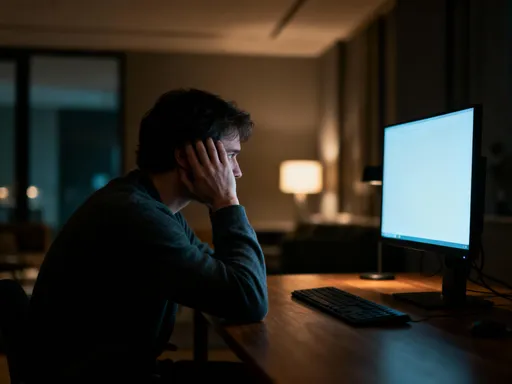
You know that restless feeling—tossing at 2 a.m., mind racing with tomorrow’s tasks? I used to dread bedtime. My thoughts would spiral: Did I reply to that email? What if I forget the school pickup tomorrow? Was I good enough in that meeting? Night after night, my body was in bed, but my brain was wide awake, running on a loop of unfinished business. And when the alarm rang, I’d wake up groggy, dragging myself through the day like a phone at 5% battery. I wasn’t just tired—I was unfocused, forgetful, and emotionally frayed. Sound familiar? I’m not alone. So many of us—mothers, professionals, lifelong learners—feel like we’re burning the candle at both ends. But what if I told you that real change didn’t come from working harder, but from learning how to rest smarter? It started with a tiny shift: downloading a simple app that didn’t promise miracles, but quietly taught me how to listen to my body, slow my mind, and reclaim my nights. And in doing so, it didn’t just improve my sleep—it transformed how I learn, think, and show up in my life.
The Nighttime Struggle: When Your Brain Won’t Shut Off
I used to think sleeplessness was just part of being a busy woman. Between managing a household, staying sharp at work, and trying to squeeze in moments for myself, I wore my exhaustion like a badge of honor. 'I’ll sleep when I’m done,' I’d tell myself. But the truth? I was never done. And sleep didn’t come easily. Lying in bed, I’d replay conversations from the day, worry about deadlines, or mentally plan next week’s meals. My brain, trained to multitask and solve problems, refused to power down. It wasn’t insomnia in the clinical sense—no doctor’s diagnosis, no prescription—but it was real. The kind of chronic, low-grade sleep disruption that chips away at your focus, your mood, and your ability to think clearly.
And it wasn’t just me. I started talking to other women—friends, colleagues, even my sister—and realized how common this was. One mom of two said she’d lie awake for hours after the kids finally fell asleep, her mind racing with everything she hadn’t finished. Another friend, a teacher, admitted she’d wake up at 3 a.m. every night, her brain suddenly alert, reviewing lesson plans. We weren’t lazy. We weren’t weak. We were simply overstimulated, emotionally invested, and mentally overloaded. Our bodies needed rest, but our minds were still in 'go' mode. The cost? By morning, even with seven or eight hours in bed, I felt foggy. I’d misplace my keys, forget names, or struggle to concentrate during important meetings. Learning something new—like taking an online course or mastering a new recipe—felt exhausting. I wasn’t absorbing information; I was just surviving.
It hit me one morning when I realized I’d read the same paragraph three times and still didn’t understand it. That was my wake-up call—ironically, during another sleepless night. I knew I couldn’t keep living like this. I didn’t want to rely on sleeping pills or drastic lifestyle changes. I needed something simple, sustainable, and kind to my busy life. Something that didn’t add more pressure, but gently guided me back to rest. That’s when I stumbled upon a sleep app—not through an ad, but through a friend’s offhand comment: 'Have you tried that little breathing exercise thing before bed? It actually helped me stop overthinking.'
Discovering a Different Kind of App: Not Just for Sleep, But for Clarity
I’ll admit, I was skeptical. I’d tried meditation apps before. Some felt too spiritual, others too rigid. One had a voice that sounded like a robot reading a grocery list. But this one was different. It wasn’t about chanting or emptying your mind. It was about gently transitioning from 'doing' to 'being.' The app offered short, guided wind-down routines—just 10 to 15 minutes—designed to signal to your brain that it was time to relax. No pressure to fall asleep instantly. No judgment if your mind wandered. Just simple, calming exercises that felt doable, even on chaotic nights.
One of the first things I tried was a breathing exercise called '4-7-8'—breathe in for four counts, hold for seven, exhale for eight. It sounds simple, maybe even silly, but there’s real science behind it. Slowing your breath activates the parasympathetic nervous system, the part of your body that tells you it’s safe to rest. Within a few nights, I noticed something: my mind wasn’t racing as much. I wasn’t solving world problems at midnight. I was just… present. The app also offered gentle audio cues—soft chimes, nature sounds, or a calm voice guiding you through a body scan. These weren’t meant to entertain you to sleep, but to create a consistent bedtime ritual. And consistency, I learned, is everything.
What surprised me most was how quickly I started feeling sharper during the day. I wasn’t just sleeping better—I was thinking clearer. I could follow conversations without mentally checking out. I remembered details from meetings. I even started enjoying reading again, not just skimming to check a box. The app wasn’t marketed as a 'focus booster' or a 'learning tool'—it was a sleep aid. But the ripple effects were undeniable. Better sleep wasn’t just about feeling less tired. It was about creating mental space. Space to learn, to grow, to be present with my family. I began to see sleep not as lost time, but as an active part of my personal development. The app didn’t fix everything overnight, but it gave me a tool—a small, daily practice—that I could count on.
How Better Sleep Became a Learning Superpower
Here’s something I didn’t know before: sleep isn’t just downtime. It’s when your brain does some of its most important work. During deep sleep, your brain consolidates memories, processes what you’ve learned, and clears out mental 'junk'—like a nightly cleanup crew for your mind. When you’re sleep-deprived, that process gets disrupted. It’s like trying to save a file on a computer that’s running too many programs at once. The data gets corrupted, or worse—it’s lost.
Once I started sleeping more soundly, I noticed I could absorb new information much more easily. I was taking an online course on nutrition—something I’d been putting off for months because I felt too overwhelmed to focus. Before, I’d watch a 20-minute lecture and forget half of it by the next day. But after a few weeks of using the app and improving my sleep, I could not only remember the key points, but apply them. I started making small changes to my family’s meals, understanding how different nutrients worked together. It wasn’t that the course had changed. It was that my brain was finally able to do its job.
I also found I could stay focused for longer periods. Before, I’d get distracted after 15 minutes of reading or working on a project. Now, I could sit with a task for an hour or more without feeling mentally drained. I wasn’t pushing myself harder—I was working with my body’s natural rhythms. And that made all the difference. My daughter noticed it too. 'Mom, you’re not rushing through stories at bedtime anymore,' she said one night. 'You actually listen.' That hit me. Better sleep wasn’t just improving my productivity—it was improving my presence. I was more patient, more engaged, more emotionally available. And that, I realized, was the real superpower.
Building a Routine That Sticks—Without the Pressure
One reason I’d failed with other sleep solutions was because they felt too rigid. 'No screens after 8 p.m.'—but what if the kids have a school event? 'Meditate for 30 minutes'—when do I even have that kind of time? I needed something that fit into real life, not a perfect, Instagram-worthy routine. That’s what I loved about this app: it was flexible. It didn’t scold me for skipping a night. It didn’t track my 'streaks' in a way that made me feel guilty. Instead, it offered gentle reminders and allowed me to choose what worked for me.
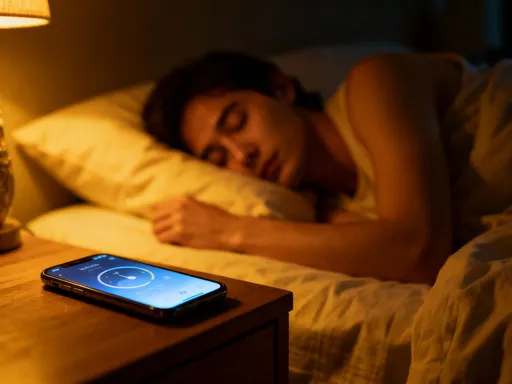
I started small. Just five minutes of breathing or a short guided relaxation. I’d do it in bed, with the lights off, phone on airplane mode. The app had a feature that automatically dimmed the screen and played soft audio after a set time—so even if I forgot, it helped me wind down. I also created a 'tech-free zone' in the bedroom. No work emails, no scrolling through news. My phone became a tool for rest, not stimulation. And surprisingly, that small boundary made a big difference. I wasn’t fighting the urge to check one more thing. I was giving myself permission to stop.
The key was consistency, not perfection. Some nights, I’d forget. Some nights, the kids were up late, and I’d fall into bed exhausted. But the app didn’t make me feel like a failure. It just welcomed me back the next night. That self-compassion was crucial. I wasn’t trying to be perfect—I was trying to be kinder to myself. And over time, the routine became a habit. I began to look forward to it, not as another task, but as a quiet gift to myself. Ten minutes of stillness became something I protected, like a tiny sanctuary in my day.
Beyond the Individual: Sharing Calm with Family and Work
What I didn’t expect was how my improved sleep would affect everyone around me. I used to be short-tempered in the mornings, rushing everyone out the door, snapping at small things. But as my sleep improved, so did my mood. I wasn’t just less tired—I was more patient. I could handle the spilled cereal, the missing shoes, the last-minute schedule changes without feeling like I was going to snap. My husband noticed. 'You seem… lighter,' he said. 'Like you’re really here.'
At work, I was more focused and collaborative. I wasn’t zoning out in meetings or forgetting action items. I could think on my feet and contribute meaningfully. My team started asking for my input more often. One colleague even said, 'You’ve been so calm lately—how are you handling everything so well?' I smiled. I didn’t tell her about the app right away. But when I did, she downloaded it that night. It wasn’t just about me anymore. It was about creating a ripple effect—of calm, of clarity, of presence.
Even my kids responded to the change. I was more present during playtime, more patient during homework, more joyful at dinner. I wasn’t just surviving the day—I was enjoying it. And that, I realized, was the greatest benefit of all. Better sleep didn’t just make me more productive. It made me a better mother, a better partner, a better version of myself. It wasn’t about doing more. It was about being more.
Choosing the Right Tools: What to Look for in a Sleep App
Not all sleep apps are created equal. I’ve tried a few that overwhelmed me with data—sleep scores, graphs, alerts for every time I turned in bed. That kind of feedback didn’t help me sleep. It made me anxious. 'Did I only get 6.5 hours? Am I failing?' That’s not rest. That’s performance pressure in disguise.
What I’ve learned is that the best tools are the ones that feel supportive, not judgmental. Look for apps that focus on simplicity. A few well-designed wind-down routines. Gentle audio, not loud or distracting. Features that encourage consistency without guilt. Avoid anything that feels like a report card for your sleep. You’re not trying to 'win' at rest. You’re trying to feel better.
Also, check if the methods are science-backed. Things like guided breathing, progressive muscle relaxation, or sleep scheduling based on circadian rhythms are proven to help. Avoid apps that promise 'instant results' or use flashy claims. Real change takes time. And most importantly, choose something that fits your life. If you’re a busy mom, you need something quick and flexible. If you’re sensitive to sound, look for customizable audio. The right app should feel like a quiet friend, not a demanding coach.
A New Kind of Smart: Rest, Growth, and Quiet Confidence
Looking back, I realize I used to equate being smart with pushing through—working late, powering through fatigue, always being 'on.' But true intelligence isn’t about endurance. It’s about wisdom. And part of that wisdom is knowing when to rest. That small app didn’t just help me sleep. It taught me to listen to my body, honor my limits, and value stillness as much as productivity.
Now, when I lie down at night, I don’t dread the silence. I welcome it. My mind still wanders sometimes, but it doesn’t spiral. I have tools. I have routines. I have peace. And in the morning, I wake up not just rested, but ready—not to rush, but to engage, to learn, to live.
This journey wasn’t about a quick fix. It was about a shift in mindset. Sleep isn’t a luxury. It’s the foundation of everything—focus, learning, emotional balance, connection. When you rest well, you grow. You become sharper, kinder, more present. You don’t have to do more to be more. Sometimes, the most powerful thing you can do is simply stop, breathe, and let yourself recharge.
If you’re lying awake tonight, mind racing, know this: you’re not alone. And you don’t have to stay stuck. Small, consistent choices—like a five-minute breathing exercise, a quiet bedtime ritual, a simple app that guides you home to rest—can lead to big changes. You don’t have to be perfect. You just have to begin. Because peace isn’t out of reach. It’s not a reward for finishing everything. It’s a practice. And it’s yours for the taking.