How I Grew Stronger Hair with Just 3 Simple Moves—No Magic, Just Motion
You wash, condition, and even splurge on serums—but still see strands thinning? I was too, until I realized hair health isn’t just about what you put on it, but what you do for your body. Turns out, circulation, hormone balance, and stress levels play huge roles. After months of testing, I found an exercise plan that actually made my hair thicker and shinier. This isn’t a miracle—it’s science, sweat, and consistency. Let me show you how movement can transform your hair from the inside out.
The Hair-Body Connection: Why Exercise Matters More Than You Think
Hair growth is not an isolated process. It reflects the state of your entire body. Each strand begins deep within the scalp, rooted in a follicle that relies on a steady supply of oxygen and nutrients delivered through tiny blood vessels. When circulation slows—due to inactivity, stress, or poor metabolic health—those follicles receive less support, and hair growth weakens. This is why topical treatments alone often fall short. While shampoos and oils can improve surface condition, they cannot compensate for internal imbalances that affect the root cause of thinning or slow growth.
Exercise directly addresses these underlying factors. Physical activity increases heart rate and blood flow, delivering more oxygen and essential nutrients like iron, zinc, and B vitamins to the scalp. At the same time, movement helps regulate hormones such as cortisol and insulin, both of which, when elevated, can contribute to hair shedding. Chronic stress, for instance, triggers excess cortisol production, which has been associated with telogen effluvium—a temporary but noticeable form of hair loss. Regular exercise helps lower cortisol levels, reducing this hormonal strain on the hair cycle.
Additionally, physical activity reduces systemic inflammation, a silent contributor to many chronic conditions, including those that affect skin and hair health. Inflammation can disrupt the hair growth phase, pushing more follicles into the resting phase prematurely. By engaging in consistent movement, you support your body’s natural anti-inflammatory response. This means a more stable, supportive environment for healthy hair development. The truth is, your scalp is an extension of your overall physiology. What benefits your heart, brain, and muscles also benefits your hair. Caring for your body as a whole isn’t just complementary to hair care—it’s foundational.
My Hair Struggles: From Flat Roots to Breakage—A Real Experience
For years, I chased the perfect hair routine. I tried sulfate-free shampoos, protein treatments, silk pillowcases, and even monthly salon keratin therapies. Yet, no matter what I did, my hair felt thinner, especially at the temples. The strands lacked body, broke easily, and grew at what felt like a snail’s pace. I’d run my fingers through it and notice more on the brush each morning. I wasn’t alone—many women I knew in their thirties and forties shared similar frustrations. We were investing time and money, yet seeing little return.
The turning point came during a routine check-up. My doctor noted elevated stress markers and suggested I look at lifestyle habits. I worked long hours at a desk, rarely moved beyond walking from room to room, and often skipped meals due to a packed schedule. I wasn’t sleeping well, and my energy was inconsistent. It hit me: I was treating my hair like a separate entity, but my body was sending clear signals that it needed more holistic care. I realized that no serum could fix the fatigue, poor circulation, and hormonal fluctuations caused by a sedentary, high-pressure lifestyle.
Instead of focusing on weight loss or appearance, I decided to prioritize vitality. I began walking daily, not to burn calories, but to feel more alive. Within weeks, I noticed subtle shifts—not just in my mood and sleep, but in my hair. It wasn’t overnight, but shedding decreased, and new growth felt stronger. That’s when I committed to a structured movement plan, not as a punishment or aesthetic goal, but as an act of self-respect. My hair became a visible sign of internal change, a quiet testament to the power of consistent, mindful movement.
The 3 Key Movement Types That Actually Boost Hair Health
Not all exercise impacts hair equally. Through trial and research, I identified three types of movement that, when combined, create an optimal internal environment for hair growth: cardiovascular training, resistance work, and mindful movement such as yoga. Each plays a distinct role, and together, they form a balanced approach that supports circulation, hormone regulation, and stress management—all critical for healthy hair.
Cardiovascular exercise is the cornerstone of improved blood flow. Activities like brisk walking, cycling, or dancing elevate the heart rate, pumping more nutrient-rich blood to the scalp. Even moderate cardio for 30 minutes a few times a week can enhance microcirculation in the skin, including the hair follicles. This increased delivery of oxygen and nutrients strengthens the hair shaft and prolongs the growth phase. The beauty of cardio is its accessibility—it doesn’t require a gym or special equipment. A morning walk around the neighborhood or a midday dance break in the living room can make a measurable difference over time.
Resistance training, often overlooked by women concerned about bulk, is essential for hormone balance. Lifting weights or doing bodyweight exercises like squats, lunges, and push-ups stimulates muscle growth and improves insulin sensitivity. Better insulin control helps regulate androgens, hormones that, when imbalanced, can contribute to hair thinning. Strength training also boosts growth hormone and testosterone in healthy amounts, both of which support tissue repair and regeneration, including hair. Importantly, you don’t need heavy weights or long sessions—just two short weekly workouts can yield benefits.
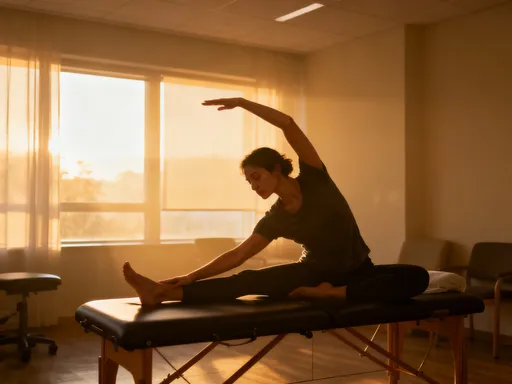
Mindful movement, particularly yoga and stretching, targets stress reduction. Chronic tension elevates cortisol, which disrupts the hair cycle and can lead to shedding. Yoga combines breath control with gentle postures that calm the nervous system. Certain poses, like downward dog or forward bends, even increase blood flow to the head. Practices like deep breathing and meditation, often included in yoga sessions, further lower stress hormones. This trio—cardio for circulation, strength for hormones, and yoga for calm—creates a powerful synergy. Together, they address the root causes of hair concerns, not just the surface symptoms.
My Weekly Routine: A Doable 4-Day Plan That Delivered Results
Consistency matters more than intensity. After experimenting with different schedules, I settled on a four-day weekly routine that fit my life without causing burnout. It required just 30 to 45 minutes per session and used no special equipment. The simplicity made it sustainable, and the results became visible within two to three months.
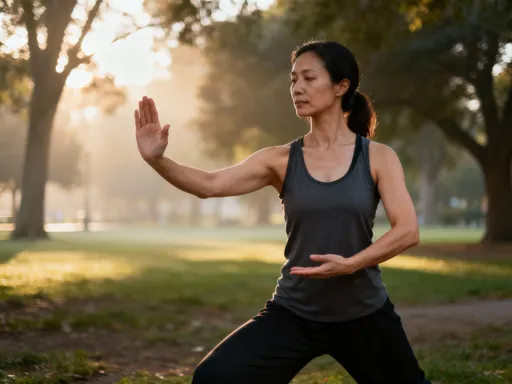
My first workout day was dedicated to cardiovascular activity. I chose a brisk 35-minute walk, either outdoors or on a treadmill, maintaining a pace that raised my heart rate but still allowed me to speak in short sentences. I did this on Mondays and Thursdays. During these walks, I focused on posture and deep breathing, which enhanced the circulatory benefits. Sometimes, I added short bursts of faster walking to increase intensity, but even steady pacing made a difference.
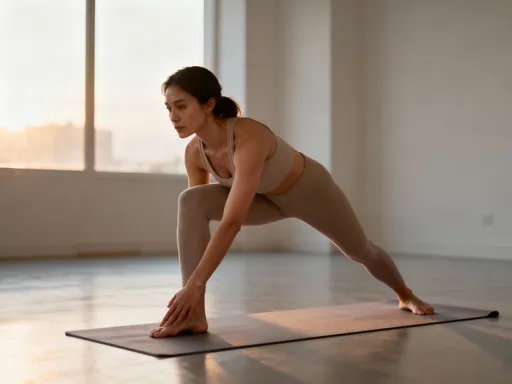
On Wednesdays, I performed a 30-minute resistance session at home. It included bodyweight exercises: two sets of 12 squats, 10 lunges per leg, 8 modified push-ups (on knees), and 15-second planks repeated three times. I used a chair for support when needed and progressed slowly. This routine built strength without strain and helped stabilize my energy throughout the day. I noticed improved muscle tone and better sleep, both of which indirectly supported hair health.
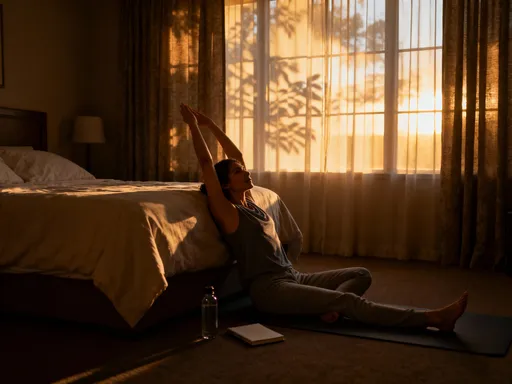
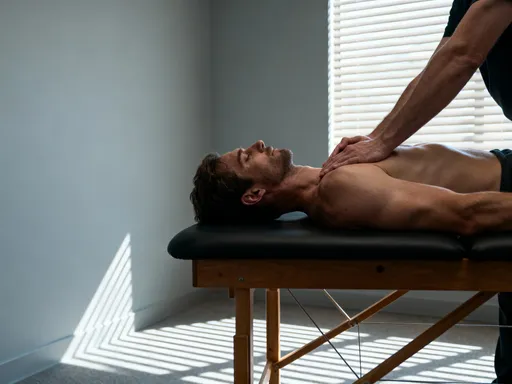
Sundays were reserved for mindful movement. I followed a 40-minute gentle yoga sequence, focusing on poses that encouraged blood flow to the head—downward dog, child’s pose, seated forward bends—and included five minutes of seated breathing at the end. I also practiced scalp massage during the final relaxation, using light fingertip pressure in circular motions. This post-yoga ritual felt soothing and added a direct benefit to the scalp. Over time, my hair felt less dry, breakage reduced, and I saw more baby hairs along my hairline—early signs of new growth. By sticking to this balanced plan, I created lasting change without overwhelming my schedule.
Beyond the Workout: Pairing Movement with Hair-Healthy Habits
Exercise alone is powerful, but its effects are amplified when combined with other healthy habits. Physical activity improves sleep quality, increases energy, and enhances mood—all of which encourage better lifestyle choices. When I started moving regularly, I naturally began drinking more water, eating more balanced meals, and going to bed earlier. These small shifts created a positive feedback loop, further supporting hair health.
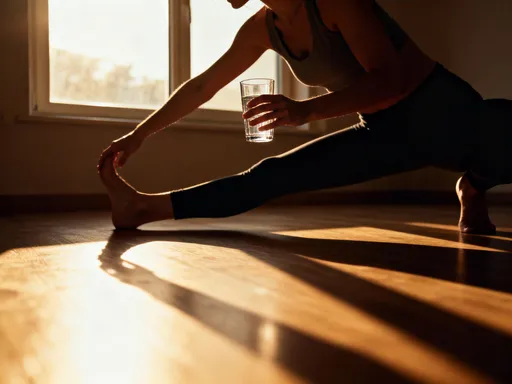
Hydration, for example, became easier to maintain. Sweating during workouts increased my awareness of fluid needs. I made it a habit to drink a full glass of water after every session. Proper hydration keeps the scalp moist and supports the structural integrity of hair strands, which are about 25% water. Similarly, my appetite stabilized, reducing cravings for sugary, processed foods. I began choosing more whole grains, leafy greens, and lean proteins—foods rich in iron, biotin, and protein, all essential for strong hair.
Sleep quality improved significantly. Exercise helped regulate my circadian rhythm, making it easier to fall asleep and stay asleep. Since most hair repair occurs during deep sleep, this was crucial. I also started a nightly routine that included turning off screens an hour before bed and doing light stretching, which further lowered stress. Another key addition was scalp massage, which I did for five minutes after workouts when blood flow was already elevated. Using only my fingertips, I massaged in small circles from the forehead to the crown and down the sides. This simple practice not only felt relaxing but also stimulated follicles directly, enhancing the circulation benefits of exercise.
However, it’s important to avoid overtraining. While moderate movement supports hair growth, excessive exercise—especially without adequate rest or nutrition—can increase cortisol and lead to hair shedding. The goal is balance, not exhaustion. I learned to listen to my body: if I felt fatigued or irritable, I took a rest day or switched to gentle stretching. Sustainability is key. Hair thrives on consistency, not extremes.
What Science Says: Evidence Behind Exercise and Hair Growth
The connection between physical activity and hair health is supported by emerging research, though it is often indirect. Studies have shown that regular exercise improves microcirculation, which benefits all tissues, including the scalp. Increased blood flow delivers more oxygen and nutrients while removing metabolic waste, creating a healthier environment for follicle function. One clinical observation noted that individuals with sedentary lifestyles were more likely to report hair thinning than those who engaged in moderate physical activity.
Exercise also plays a well-documented role in reducing cortisol, the primary stress hormone. Elevated cortisol has been linked to disruptions in the hair growth cycle, particularly the premature shift from the growth phase (anagen) to the shedding phase (telogen). By lowering stress through movement, individuals may help maintain a longer anagen phase, leading to less shedding and thicker hair over time. Additionally, physical activity improves insulin sensitivity, which helps regulate androgen levels. Since hormonal imbalances can contribute to female pattern hair loss, this effect is particularly relevant for midlife women.
While no study claims that exercise alone can reverse medical hair loss conditions like alopecia areata or androgenetic alopecia, it is widely recognized as a supportive factor in overall hair health. Dermatologists often recommend lifestyle modifications—including stress management and physical activity—as part of a comprehensive approach. Exercise does not replace medical treatments, but it enhances the body’s ability to respond to them. It also improves general well-being, which can reduce the emotional toll of hair concerns. The evidence, while not always headline-grabbing, is consistent: a healthy body fosters healthy hair. Movement is not a cure, but it is a powerful ally.
How to Start—and Stick With It—Without Burnout
Beginning a new routine can feel overwhelming, especially when juggling family, work, and personal responsibilities. The key is to start small and focus on what you can do, not what you can’t. I began with just 15-minute walks three times a week. As those became routine, I added a few bodyweight exercises and extended the walks. Progress wasn’t linear, but every effort counted. The goal isn’t perfection—it’s consistency.
One strategy that helped me was habit stacking: pairing a new habit with an existing one. For example, I committed to stretching while watching the morning news or doing squats during commercial breaks. These micro-moments added up without demanding extra time. I also tracked non-hair benefits—like better sleep, improved mood, and more energy—which kept me motivated even before I saw changes in my hair. Celebrating these wins reinforced the habit and made it feel worthwhile.
Patience is essential. Hair grows slowly, and changes take time. Most people begin to notice reduced shedding after 8 to 12 weeks of consistent movement. Visible improvements in texture and growth may take longer. I didn’t see new baby hairs until week ten, and thickness improved gradually over six months. But the longer I stuck with it, the more my hair transformed. The most important lesson I learned was that showing up—even for a short walk or five minutes of stretching—mattered more than the duration or intensity.
This journey isn’t about achieving a certain look. It’s about honoring your body and giving it the care it deserves. When you move regularly, you’re not just investing in stronger hair—you’re nurturing your overall health, resilience, and well-being. And that, in itself, is a powerful transformation. Your hair will reflect the care you give yourself, not because of magic, but because of motion, science, and the quiet strength of daily commitment.