Needle Meets Nutrition: How Acupuncture and Food Choices Changed My Recovery Game
Living with lingering pain after an injury, I tried everything—until I combined acupuncture and mindful eating. It wasn’t magic, but the real shift came when I saw healing as a full-body effort. For months, I chased relief through painkillers, stretches, and repeated visits to physical therapy, only to feel temporary improvement. The soreness returned, fatigue deepened, and frustration grew. Then, a friend suggested acupuncture. Skeptical but desperate, I gave it a try. Paired with small, intentional changes in how I ate, the results surprised me. It wasn’t one miracle moment, but a series of quiet shifts—less stiffness, better sleep, more energy. Turns out, what you eat fuels how your body responds to treatments like massage and acupuncture. This is my journey from frustration to feeling truly restored.
The Pain That Wouldn’t Quit – A Personal Wake-Up Call
It started with a minor fall—nothing serious, or so I thought. Within weeks, a dull ache in my lower back turned into persistent tension that spread to my hips and shoulders. Simple tasks like lifting groceries or standing at the sink became uncomfortable. I visited doctors, tried over-the-counter pain relievers, and followed prescribed stretches. Each provided brief relief, but the discomfort always crept back. I began to dread mornings, knowing stiffness would greet me before my feet even touched the floor. The emotional toll was just as heavy. I felt defeated, disconnected from my body, and frustrated by the lack of progress. Rest helped, but healing felt out of reach.
That sense of being stuck became a turning point. I realized I was treating symptoms, not supporting recovery at a deeper level. I began researching integrative approaches, curious about how lifestyle and bodywork could work together. That’s when I discovered stories of people combining acupuncture with dietary changes to support healing. It wasn’t about replacing medicine—it was about giving the body the tools it needed to respond better to treatment. I decided to take a holistic approach: acupuncture to calm my nervous system, massage to release tension, and food choices that reduced inflammation. This wasn’t a quick fix; it was an invitation to listen to my body in a new way.
Why Acupuncture? Breaking Down the Science Without the Jargon
At first, the idea of needles made me uneasy. I associated acupuncture with vague notions of “energy flow” or Eastern mysticism. But as I read more, I learned that modern research frames it differently. Acupuncture works through the nervous system and circulatory pathways, not invisible forces. When thin, sterile needles are placed at specific points, they stimulate sensory nerves beneath the skin. This sends signals to the brain, prompting the release of natural pain-relieving chemicals like endorphins and serotonin. It also helps regulate the autonomic nervous system, shifting the body from a stressed “fight-or-flight” state to a calmer “rest-and-digest” mode.
One of the most significant effects is reduced inflammation. Chronic pain often involves low-grade inflammation that keeps tissues irritated and sensitive. Studies have shown that acupuncture can lower levels of pro-inflammatory markers in the body, such as cytokines, which contribute to muscle soreness and joint discomfort. It also improves local blood flow, bringing oxygen and nutrients to injured areas while helping remove metabolic waste. This dual action—calming pain signals and supporting tissue repair—makes it a powerful tool for recovery.
Still, acupuncture isn’t a standalone cure. Its benefits are amplified when supported by other healthy habits. Think of it like turning on a light in a dusty room. The light reveals what’s there, but you still need to clean the space for real change. Similarly, acupuncture can reset your body’s response to pain, but without proper nutrition, hydration, and movement, the relief may be short-lived. When paired with lifestyle changes, its effects become more consistent and lasting. For me, it wasn’t the needles alone that helped—it was how my body began to respond differently when I gave it the right support.
Massage Therapy: More Than Just Relaxation
Like many, I once thought of massage as a luxury—something reserved for spa days or special occasions. But therapeutic massage is far more than relaxation. It’s a clinical practice that addresses muscle tension, scar tissue, and restricted movement. Unlike a general Swedish massage, which focuses on overall comfort, therapeutic sessions are tailored to specific needs. A licensed therapist uses techniques like deep tissue work, myofascial release, and trigger point therapy to target areas of chronic tightness. These methods help break up adhesions in muscle fibers, improve flexibility, and restore natural movement patterns.
For someone recovering from injury, this kind of targeted work can be transformative. In my case, years of compensating for back pain had created knots in my glutes and hamstrings. Stretching helped a little, but only massage released the deep tension that kept pulling my posture out of alignment. Over time, regular sessions improved my range of motion. I could bend down without wincing, walk longer distances, and sleep more soundly. The physical changes were matched by mental relief—knowing my body wasn’t working against me anymore.
Equally important was lymphatic drainage, a gentler form of massage that supports the body’s natural detoxification process. After injury, fluid can build up in tissues, contributing to swelling and sluggish healing. Light, rhythmic strokes encourage the lymphatic system to move excess fluid out, reducing puffiness and supporting immune function. This subtle but powerful effect complemented acupuncture by creating an internal environment where healing could thrive. What I learned is that recovery isn’t just about fixing one problem—it’s about optimizing the entire system. And that requires working with qualified professionals who understand rehabilitation, not just relaxation.
The Missing Link: Why Diet Matters in Physical Recovery
Even as acupuncture and massage brought improvements, I hit plateaus. Some days, I felt great; others, the old stiffness returned. That’s when I began to wonder: was something missing in my daily routine? I started paying attention to how I felt after meals. Heavy, processed dinners left me sluggish. Sugary snacks caused energy crashes. Then it clicked—my body was trying to heal, but I wasn’t giving it the right fuel. I realized that treatment works better when your body is primed to respond. Acupuncture might open the door to recovery, but nutrition is what lets healing walk through.
Inflammation is a natural part of healing—it’s how the body signals repair. But when it becomes chronic, it interferes with recovery. Certain foods can either amplify or reduce this response. Processed sugars, refined carbohydrates, and trans fats promote inflammation, making pain and stiffness worse. On the other hand, whole foods rich in antioxidants, healthy fats, and phytonutrients help calm the system. The body isn’t designed to heal under constant internal stress. When you eat in a way that reduces inflammatory load, every therapy—from massage to movement—becomes more effective.
Think of your body like a construction site. Acupuncture and massage are skilled workers repairing the structure. But if the delivery truck bringing materials—protein, vitamins, minerals—is delayed or carrying low-quality supplies, the project stalls. Nutrition provides the raw materials for tissue repair: amino acids for muscle, collagen for connective tissue, omega-3s for nerve health. Without them, even the best treatments can’t do their job fully. This wasn’t about dieting or restriction—it was about making choices that supported my body’s natural ability to recover. Once I shifted my focus from “eating less” to “eating for repair,” everything changed.
Eating for Healing: Simple Swaps That Actually Work
Changing my diet didn’t mean overhauling everything overnight. I focused on small, sustainable shifts that fit my lifestyle. The first was increasing omega-3 fatty acids. These essential fats are powerful anti-inflammatories, yet most people don’t get enough. Instead of relying on supplements alone, I added fatty fish like salmon twice a week. On days I didn’t eat fish, I sprinkled ground flaxseed on oatmeal or blended chia seeds into smoothies. These simple additions made a noticeable difference in how my joints felt—less creaky, more fluid.
I also switched from refined grains to whole grains. White bread, pastries, and instant rice caused blood sugar spikes that left me tired and achy. Swapping them for oats, quinoa, and brown rice provided steady energy and fewer inflammatory triggers. I didn’t eliminate treats completely—I still enjoyed a cookie now and then—but I made them the exception, not the norm. This wasn’t about perfection; it was about reducing the “noise” in my system so healing could be the main signal.
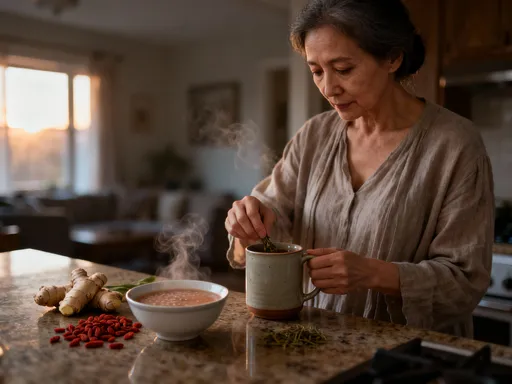
Hydration became another priority. I started carrying a water bottle and added a pinch of sea salt and lemon to my water to support electrolyte balance. Dehydration can worsen muscle cramps and slow recovery, so consistent fluid intake made a real difference. I also embraced anti-inflammatory spices. Turmeric, with its active compound curcumin, has been studied for its ability to reduce joint pain. I added it to soups, roasted vegetables, and even warm milk before bed. Ginger, another natural anti-inflammatory, went into teas and stir-fries. These weren’t miracle cures, but over time, they contributed to a calmer internal environment.
One of the most helpful mindsets was viewing food as information. Every bite sends signals to your cells—either “we’re under attack” or “we’re safe, let’s repair.” By choosing whole, minimally processed foods, I was telling my body it could focus on healing instead of defense. I didn’t follow a strict protocol or eliminate entire food groups. I simply made choices that aligned with recovery. And the more I did it, the more my cravings shifted. I began to crave vegetables, soups, and nourishing meals—because my body recognized them as allies.
Timing and Synergy: Aligning Meals with Treatment Schedules
As my routine evolved, I realized that when I ate mattered as much as what I ate. I used to schedule acupuncture or massage on an empty stomach, thinking it would help me relax. But I often felt lightheaded or fatigued afterward. Then I learned that having a light, protein-rich snack an hour before a session helped stabilize blood sugar and support muscle recovery. A small handful of almonds, a boiled egg, or a slice of turkey on whole grain toast became my go-to pre-treatment fuel.
After a session, I noticed my body was especially receptive to nutrients. The increased circulation from acupuncture and massage meant tissues were primed to absorb what they needed. I started having a balanced meal within two hours—something with lean protein, vegetables, and healthy fats. This post-treatment window felt like a golden opportunity to support repair. I also paid attention to hydration. I made it a habit to drink a glass of water before and after each session to help flush metabolic byproducts and keep muscles supple.
Over time, I developed a daily rhythm that supported my goals. Breakfast included protein and fiber to start the day steadily. Mid-morning and afternoon snacks prevented energy dips. Lunch and dinner emphasized vegetables, quality protein, and whole grains. I avoided heavy meals right before bedtime, which improved sleep quality—a crucial part of recovery. By aligning my eating patterns with my therapy schedule, I created a synergy that made each element more effective. It wasn’t about rigid rules, but about creating a flow that honored my body’s needs.
Realistic Expectations and When to Seek Help
Progress wasn’t linear. There were weeks when I felt stronger, followed by days when old pain flared up. At first, I took this as failure. But I learned that healing is rarely a straight line. Some flare-ups were due to overdoing it—standing too long, lifting something awkwardly. Others came from stress or poor sleep. Instead of getting discouraged, I began to see setbacks as feedback. They reminded me to rest, rehydrate, or revisit my food choices. Patience and consistency were the real keys.
I also came to understand that these methods support recovery—they don’t replace medical care. I continued to work with my doctor, especially when new symptoms appeared. Acupuncture, massage, and nutrition are powerful tools, but they’re part of a larger picture. If pain persists, worsens, or is accompanied by other concerns like numbness or weakness, it’s essential to seek professional evaluation. These integrative approaches work best alongside, not instead of, conventional medicine.
I also learned to listen to my body’s signals. Some days, rest was more important than movement. Other days, gentle walking helped circulation. I stopped pushing through pain and started honoring my limits. This shift in mindset—from forcing recovery to supporting it—made all the difference. I no longer saw my body as broken, but as capable of healing when given the right conditions.
Healing as a Whole-Body Conversation
Looking back, my journey wasn’t about finding one magic solution. It was about learning to engage in a dialogue with my body. Acupuncture taught me to notice subtle shifts in tension and energy. Massage helped me reclaim movement and comfort. Nutrition gave me a daily way to show up for my own healing. Together, they created a foundation of resilience I hadn’t known before.
What changed most was my mindset. I stopped chasing quick fixes and started building sustainable habits. I realized that healing isn’t something that happens to you—it’s something you participate in, every day, through the choices you make. Whether it’s choosing a nourishing meal, scheduling a therapy session, or simply pausing to breathe, each action sends a message: I am worth the care.
For anyone feeling stuck in their recovery, I offer this: small, consistent choices add up. You don’t have to do everything at once. Start with one change—drink more water, try a therapeutic massage, add more vegetables to your plate. See how your body responds. Be patient. Be kind. And remember, healing isn’t just the absence of pain—it’s the presence of vitality, balance, and strength. When you align your habits with your body’s needs, you’re not just recovering. You’re rebuilding, one thoughtful choice at a time.